School safety infrastructure enhancement act crucial for students
Anúncios
The school safety infrastructure enhancement act focuses on improving safety measures in schools through funding, community involvement, and ongoing evaluations to ensure effective protection for students.
The school safety infrastructure enhancement act is transforming how we think about safety in educational environments. But have you considered how these improvements could directly affect your child’s school experience? This article examines the benefits and essential elements of this significant legislation.
Anúncios
Understanding the school safety infrastructure enhancement act
Understanding the school safety infrastructure enhancement act is essential for parents, educators, and policymakers. This legislation aims to strengthen safety measures in schools to protect our children.
One of the act’s major goals is to provide funding for improved security systems. Schools will be able to enhance surveillance capabilities, install secure entry points, and implement emergency communication systems. By doing so, we can create a safer environment for students and teachers alike.
Anúncios
Key Components of the Act
The act focuses on several critical areas:
- School Resource Officers: Increased funding for hiring trained officers in schools
- Upgraded Infrastructure: Modern security technology like surveillance cameras and alarm systems
- Training Programs: Development of training for staff on emergency response
- Psychological Support: Funding for mental health resources to support students
These components help ensure that schools not only meet basic safety requirements but also prioritize the well-being of students.
The school safety infrastructure enhancement act also encourages community involvement. Parents and local organizations can work together to foster a safer school climate. Through workshops and meetings, stakeholders can address specific concerns and collaborate on solutions.
Implementation and Oversight
Monitoring how the funds are spent is crucial for success. Schools must provide transparent reports on their safety improvements. This way, the community can see the direct impact of the funding provided by the act.
Furthermore, ongoing assessments will help determine the effectiveness of the proposed measures. Adjustments can be made as necessary, ensuring that schools remain safe and secure environments for learning.
Key components of the school safety initiative
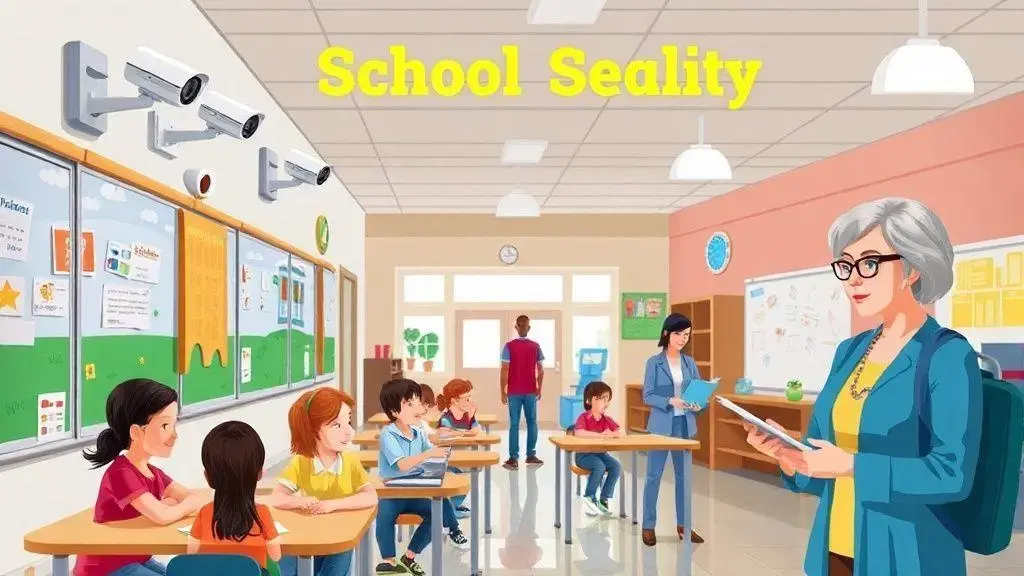
The key components of the school safety initiative are designed to enhance the security and well-being of students. Understanding these elements helps communities better support their schools.
First, the initiative emphasizes improved security infrastructure. Many schools will benefit from updated surveillance systems and monitored entry points. These upgrades ensure that only authorized individuals can enter school premises. This step significantly reduces potential risks.
Essential Elements of the Initiative
Among the crucial components are:
- Emergency Preparedness Plans: These plans outline procedures for various emergencies, including natural disasters and active shooter situations.
- Physical Security Enhancements: This includes installing security cameras, locking mechanisms, and alarms to protect students.
- Training for Staff: Regular training sessions help staff respond effectively during emergencies.
- Communication Systems: Implementing systems for instant communication between staff and emergency services is vital.
In addition to these components, the initiative focuses on mental health resources. Access to counselors and support programs can help students cope with stress and anxiety. It’s important to create an environment where students feel safe and supported.
Another critical aspect is the involvement of parents and community members. Engaging families in discussions about safety can foster a stronger support network. Together, schools and communities can build a comprehensive approach to safety.
Ultimately, the school safety initiative aims to create an atmosphere conducive to learning. By prioritizing these key components, we can help ensure that schools remain safe spaces for all students.
Impact on students and school communities
The impact of the school safety initiative on students and school communities is profound. Enhancing safety measures not only protects but also promotes a positive learning environment.
When students feel safe, their ability to learn increases significantly. They are more likely to participate in class and express their thoughts freely. This sense of security leads to better academic performance and overall student well-being.
Social and Emotional Benefits
The initiative promotes not only physical safety but also emotional health. By providing access to counselors and support systems, schools help students deal with stress and anxiety. Programs focused on mental health enable students to express their concerns and seek help when needed.
- Increased Confidence: Students are more confident when they feel secure in their environment.
- Enhanced Engagement: Safety measures encourage students to participate in school activities.
- Stronger Relationships: A safe environment fosters friendships among peers.
- Community Involvement: Parents and community members tend to engage more when they know their children are safe.
Furthermore, a safer school community attracts families to the area. This interest can lead to higher enrollment numbers and better funding for programs, creating a positive cycle that benefits all students.
Schools implementing these safety initiatives are likely to experience a decline in disciplinary issues. With a focus on safety, students are less inclined to participate in risky behaviors. This not only improves the school’s atmosphere but also encourages a culture of respect among students.
Ultimately, the impact on students and school communities is significant, reshaping how education is delivered while ensuring that safety remains a top priority.
Funding and implementation strategies for safety measures

Funding and implementation strategies for safety measures within the school safety initiative are critical for ensuring that effective policies and programs are put into action. Understanding how to allocate resources efficiently can significantly enhance the safety of students.
Schools are encouraged to pursue various funding sources to support their safety improvements. This can include federal grants, state funding, and community donations. Leveraging these resources helps build a robust safety infrastructure.
Key Funding Sources
Some of the main funding sources include:
- Government Grants: Federal and state governments often provide funds specifically for school safety initiatives.
- Local Budgets: Many schools allocate a portion of their yearly budgets toward safety upgrades.
- Partnerships with Businesses: Local businesses can partner with schools to sponsor safety programs and initiatives.
- Community Fundraising: Schools can engage parents and local organizations in fundraising efforts to support safety measures.
Implementing these strategies requires careful planning and execution. Schools should conduct comprehensive assessments of their current safety needs. By identifying specific areas for improvement, schools can prioritize initiatives that will have the most significant impact.
For example, installing security cameras and updating emergency response plans can be prioritized in schools that face higher risks. It’s vital to involve staff, parents, and community members in the planning stages. Their insights can help identify perceived vulnerabilities and ensure that the solutions are effective and culturally responsive.
Execution of Safety Plans
Once funding is secured, schools need to develop a timeline for implementing safety measures. Clear milestones can help track progress and ensure accountability. Regular updates to the school community regarding advancements also foster trust and engagement.
It’s essential to evaluate the effectiveness of the implemented measures continually. Schools should review their safety protocols regularly and make necessary adjustments based on feedback and emerging challenges. This ongoing evaluation helps ensure that the school remains a safe environment for all.
FAQ – Frequently Asked Questions about School Safety Initiative
What is the purpose of the school safety initiative?
The school safety initiative aims to enhance security measures in schools to protect students and create a safe learning environment.
How can schools secure funding for safety improvements?
Schools can secure funding through government grants, local budgets, partnerships with businesses, and community fundraising efforts.
What role do parents and communities play in school safety?
Parents and community members are encouraged to engage in discussions about safety, which fosters support and collaboration in implementing safety measures.
How often should safety measures be evaluated?
Safety measures should be evaluated regularly to ensure they remain effective and responsive to the needs of students and staff.